

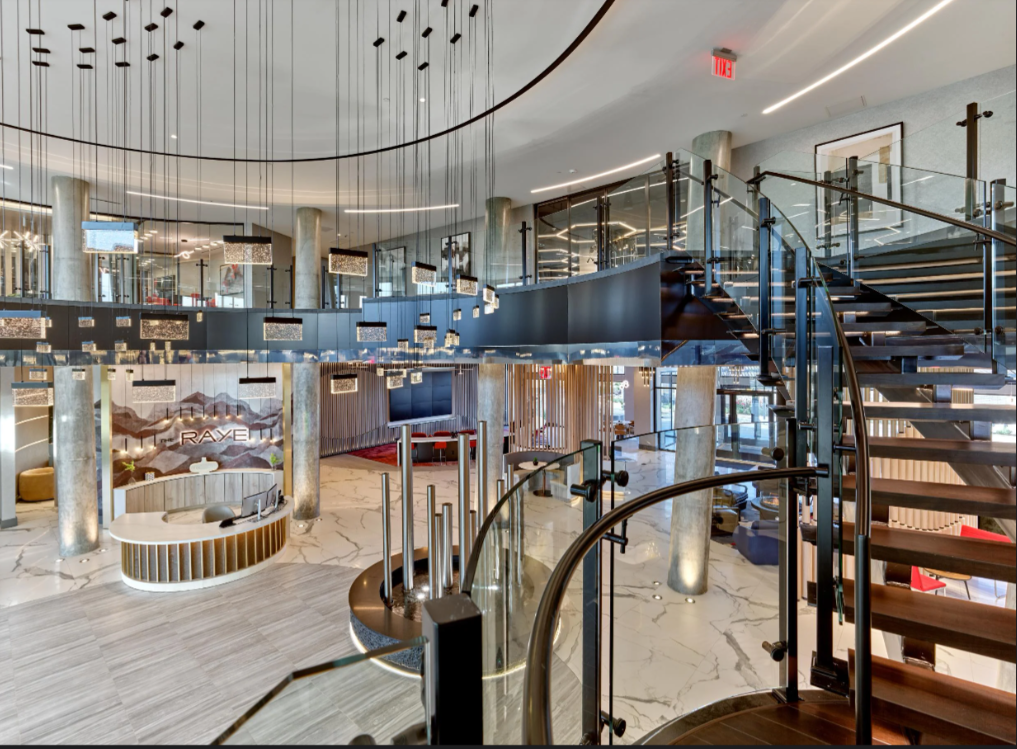
Multifamily has always been about more than building units, but in today’s market, every decision carries more weight. Construction costs, financing, renter expectations, competition and long-term operating performance all have to be considered at once. The challenge is not simply creating a property that looks good or leases well on opening day. It is creating a project that can compete effectively, deliver value to residents, and support the owner’s investment objectives for years to come.
That is why the partner you choose matters.
At The Childs Dreyfus Group, we believe successful multifamily design comes down to three things: working with a partner you trust, understanding what the market will reward, and bringing design into the conversation early enough to uncover opportunities that can improve value, affordability, and long-term return.

A Partner You Can Trust
For more than 60 years, multifamily has been at the core of what we do. That experience gives us more than a design perspective. It gives us an understanding of the responsibility that comes with being part of a significant real estate investment.
Owners and developers need partners who understand the realities behind the project: budgets, schedules, changing market conditions, ownership goals, and the inevitable challenges that emerge between initial concept and final delivery. Our role is not simply to develop a design and hand over a presentation. It is to work as an extension of the development team, helping solve problems, challenge assumptions, and keep the broader business objectives in focus.
Sometimes that means identifying a better use of space. Sometimes it means finding an alternative material that maintains the design intent while improving the budget. Other times, it means recognizing an opportunity that may have been overlooked entirely. Trust is built through those decisions and through the ability to stay engaged from early strategy through execution.
Understanding What the Market Will Reward
There is no single formula for a successful multifamily development. A suburban Build-to-Rent community has a different resident profile and competitive set than an urban high-rise. Workforce and affordable housing require a different approach than luxury, student housing or a repositioning. Even within the same asset class, what resonates in one market may have very little impact in another.
That is why design has to begin with an understanding of the marketplace.
Being the best in the marketplace does not necessarily mean being the most expensive, the most elaborate or the most amenity-heavy. It means understanding where a project needs to lead, where it needs to compete and where it can make smarter choices.
That is especially important when affordability is part of the equation. Residents are increasingly conscious of value, and owners are equally focused on making sure every dollar invested contributes to the performance of the asset. Good design helps bridge those priorities.
The goal is to identify the features, finishes, amenities and experiences that residents will truly value, then align those decisions with the financial realities of the project. The strongest communities are not necessarily the ones that spend the most. They are the ones that understand their customer better than the competition and invest accordingly.

Start Early. Find the Opportunity.
One of the greatest opportunities to create value happens before the design is fully formed.
Too often, interior design is brought into the process after major decisions have already been made. By that point, layouts may be fixed, amenity allocations established, budgets assigned and opportunities for meaningful change significantly reduced.
We believe design should begin earlier.
When CDG is involved during the initial planning stages, we can help evaluate the project through the lens of the resident experience, the competitive landscape and the long-term investment. That early perspective can uncover nuances that may seem small individually but can have a meaningful impact on the project’s overall performance.
Could a slightly different layout create a more compelling amenity experience without adding square footage? Could dollars be shifted from an area residents rarely notice into one that directly affects leasing? Could a finish or material create the same perceived value at a better cost? Is there an opportunity to differentiate the property in a way the competitive set has missed?
Those are the kinds of decisions that become much easier to make early and much harder to change later.
Starting the design conversation sooner gives owners more options. More importantly, it creates the opportunity to make smarter decisions before those decisions become expensive ones.

Value Engineering Without Losing the Value
Value engineering has sometimes become shorthand for cutting cost. We see it differently. Effective value engineering is about understanding where the value actually lives.
There are areas of a project where a relatively small investment can dramatically elevate the resident experience. There are others where materials, specifications, layouts, or purchasing strategies can be adjusted with little or no impact on perceived quality.
Knowing the difference is critical. Our team continually evaluates where dollars can work harder, whether through material and finish selections, amenity programming, space planning, purchasing, alternate specifications, project coordination or installation. The objective is not to simply lower a number on a spreadsheet. It is to protect the elements that matter most while finding efficiencies elsewhere.
That discipline is increasingly important in a market where owners are being asked to balance affordability, differentiation and return. Every dollar does not have to be spent equally. It has to be spent intentionally.

Compete Today. Perform Tomorrow.
The best multifamily projects are designed with more than opening day in mind. They consider how the property will compete three, five and ten years from now. They anticipate how amenities will be used, how materials will wear, how resident expectations may change and how the property can continue to feel relevant without requiring constant reinvestment.
That longer view affects decisions from the very beginning.
A successful property needs to be desirable enough to compete today, practical enough to operate efficiently and thoughtful enough to retain its value over time. It must create an experience residents believe is worth paying for while still supporting the financial objectives behind the development. That is where experience, market understanding and early collaboration come together.
Design With the Investment in Mind
The multifamily market will continue to evolve. Costs will change. Resident priorities will shift. New competitors will enter the market. What will not change is the need to make smart decisions early and surround the project with partners who understand both the design and the business behind it.
At CDG, multifamily is not simply one of the markets we serve. It is a core part of our business and has been for more than six decades. We bring that experience to every project, helping clients understand the marketplace, identify opportunities earlier, manage the details and create communities positioned to compete at the highest level.

Because the goal is not simply to create a beautiful project.
It is to create a project that delivers greater value, stronger differentiation, and better long-term return.